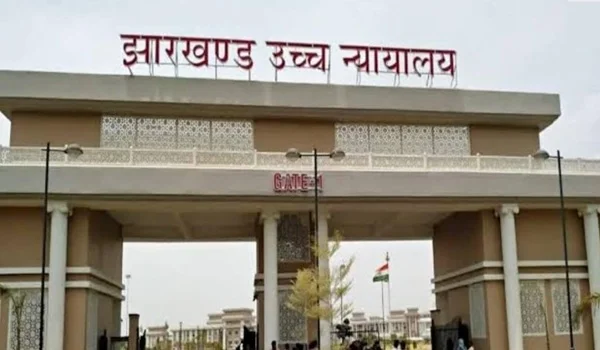
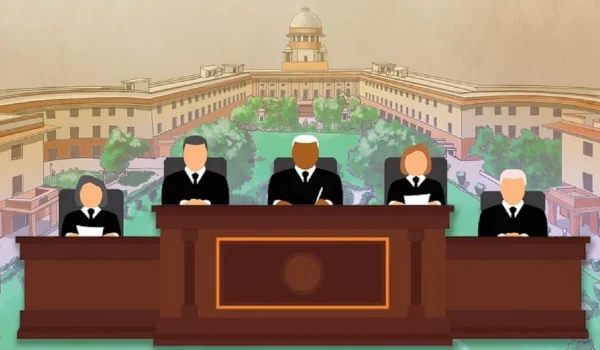
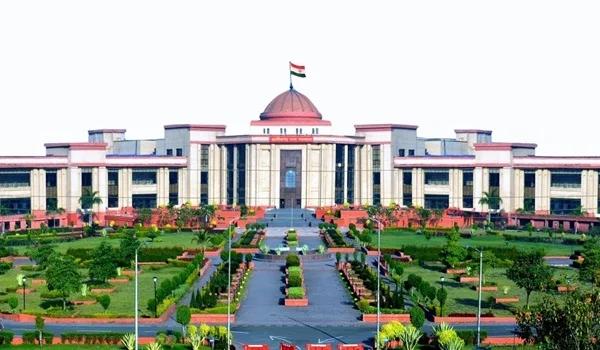
The Virtual Court is a digital initiative introduced under the Indian judiciary’s e-Courts Project to make court services faster, more accessible, and convenient for citizens. It allows litigants, lawyers, government departments, and individuals to access several judicial services online without visiting the court premises. From checking case status and cause lists to e-Filing, virtual hearings, and online payment of traffic challans in eligible cases, the Virtual Court has transformed the way people interact with the justice system.
The concept of a Virtual Court gained significant momentum with the increasing adoption of digital technologies and video conferencing. Today, many courts across India use virtual platforms for hearings, filing documents, and managing cases electronically. This helps reduce travel, paperwork, waiting time, and administrative delays while improving transparency and efficiency.
Whether you are a litigant, advocate, law student, or simply looking for information about India’s Virtual Court system, this guide covers everything you need to know.
Jurisdiction
Unlike a traditional High Court or District Court, a Virtual Court does not have a fixed geographical courtroom where litigants must appear physically. Instead, it functions digitally under the supervision of the concerned High Court and the e-Committee of the Supreme Court of India.
The jurisdiction of a Virtual Court depends on the state or union territory in which it has been established. Various High Courts have implemented Virtual Courts to hear specific categories of cases, including:
- Traffic challan cases
- Motor vehicle violations
- Minor offences
- Online payment matters
- Certain summary proceedings
- Digital hearings in civil and criminal cases (where permitted)
The exact jurisdiction may differ from one state to another.
Principal Seat and Benches
A Virtual Court does not have a traditional principal seat or physical benches like a High Court.
Instead, it operates through:
- State-specific Virtual Court portals
- High Court-controlled digital infrastructure
- District Court digital platforms
- Video conferencing facilities
- e-Courts online system
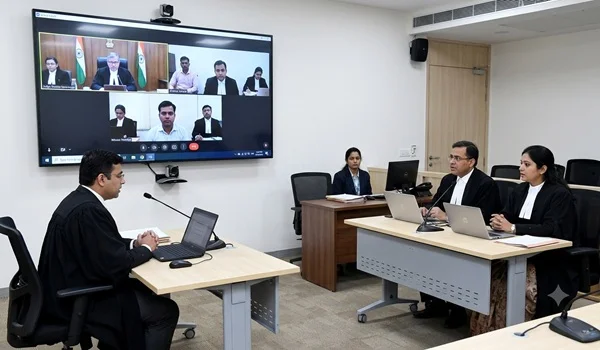
Judicial officers hear eligible matters electronically from designated court locations while parties participate remotely through approved digital platforms.
Address
Since a Virtual Court operates online, there is no dedicated public courtroom for general proceedings.
However, its administrative control lies with the concerned High Court or District Court under which it functions.
For official correspondence, users should refer to the address of the respective High Court, District Court, or judicial authority handling the case.
Contact Details
Contact information varies depending on the state and court handling the matter.
Users may obtain assistance through:
- Court Registry
- e-Seva Kendra
- Help Desk
- Technical Support Cell
- High Court IT Department
- District Court Facilitation Centre
Many courts also provide:
- Email support
- Telephone helpline
- Online grievance portal
- Helpdesk for e-Filing
- Technical assistance for virtual hearings
Court Timings
Virtual Courts generally follow the official working hours of the respective court.
Typical timings include:
| Activity | Timing |
| Office Hours | 10:00 AM – 5:00 PM |
| Court Hearings | As per daily roster |
| Online Services | Available 24×7 (for many services) |
Some online facilities such as case search, payment of fines, and document access remain available throughout the day.
Working Days
Virtual Courts generally function on:
- Monday
- Tuesday
- Wednesday
- Thursday
- Friday
They remain closed on:
- Saturdays
- Sundays
- National holidays
- Court-declared holidays
However, many online judicial services remain available even during holidays.
Important Departments
Several departments work together to ensure the smooth functioning of Virtual Courts.
Registry
Processes electronic filings and judicial records.
e-Filing Cell
Scrutinizes documents submitted through the online filing portal.
IT Department
Maintains digital infrastructure, servers, cybersecurity, and virtual hearing systems.
Judicial Branch
Manages hearing schedules, case allocation, and judicial records.
Technical Support Team
Assists lawyers and litigants facing issues during online hearings.
e-Seva Kendra
Provides support to citizens unfamiliar with online court services.
Services Offered
Virtual Courts provide numerous judicial services digitally.
Major services include:
- Virtual hearings
- Online filing of cases
- Electronic submission of documents
- Online payment of traffic challans
- Digital case management
- Online notices
- Certified copy requests (where available)
- Electronic service of summons
- Video conferencing
- Case tracking
- Online cause list
- Order and judgment access
These services significantly reduce physical visits to court premises.
Online Services
One of the biggest advantages of the Virtual Court system is its wide range of online services.
Users can access:
- Online case search
- Case status
- Cause list
- Court orders
- Judgments
- e-Filing portal
- Virtual hearing links
- Traffic challan payment
- Case history
- Filing status
- Downloadable orders
- Advocate dashboard
- Citizen services
These facilities are available through the e-Courts ecosystem and the official portals of the respective High Courts.
Case Status
Checking Virtual Court Case Status is simple and convenient.
Users may search using:
- Case Number
- Party Name
- Filing Number
- CNR Number
- Advocate Name
- Registration Number
The case status usually includes:
- Current stage
- Next hearing date
- Judge details
- Previous orders
- Final judgment (if delivered)
- Case history
- Filing information
This allows litigants to monitor case progress without visiting the court.
Cause List
The Virtual Court Cause List provides the daily schedule of matters listed before the court.
It generally contains:
- Court Number
- Judge Name
- Case Number
- Party Names
- Advocate Details
- Hearing Time
- Stage of Proceedings
The cause list is updated regularly and should be checked before attending a virtual hearing.
e-Filing
The Virtual Court e-Filing system enables advocates and eligible litigants to submit cases electronically.
Common e-Filing services include:
- Filing fresh cases
- Uploading petitions
- Filing applications
- Uploading affidavits
- Filing written submissions
- Paying court fees (where applicable)
- Tracking scrutiny
- Correcting filing defects
Electronic filing has reduced paperwork and improved the efficiency of judicial administration.
Display Board
Virtual Courts also use digital display systems that provide hearing information in real time.
Display boards may show:
- Court Hall
- Virtual Court Number
- Judge Name
- Current Case
- Next Case
- Hearing Status
- Time Slot
Many of these updates are available online as well.
How to Reach the Court
Since a Virtual Court operates digitally, parties usually do not need to visit the court physically.
Instead, they can:
- Attend hearings through approved video conferencing software.
- Join hearings using a computer, laptop, tablet, or smartphone.
- Access court links from home, office, or advocate chambers.
- Visit an e-Seva Kendra or designated court facilitation centre if technical assistance is required.
Where physical presence is necessary, the concerned High Court or District Court will specify the location in advance.
Facilities Available
Virtual Courts offer several digital and support facilities for users.
These include:
- Video conferencing
- Secure digital hearings
- Electronic document submission
- Online payment gateway
- Case tracking
- Electronic notices
- Online judgments
- Digital orders
- Technical support
- Helpdesk assistance
- e-Seva Kendras
- Citizen facilitation centres
- Online cause lists
- Secure login for advocates
- Digital document management
These facilities improve accessibility while saving time and travel costs.
Frequently Asked Questions (FAQs)
What is a Virtual Court?
A Virtual Court is a digital court system that enables certain judicial proceedings and court services to be conducted online using electronic platforms.
Can I attend a court hearing online?
Yes. If your case is listed for a virtual hearing, you may attend through the approved video conferencing platform as instructed by the court.
Is e-Filing available?
Yes. Many High Courts and District Courts provide e-Filing facilities for advocates and eligible litigants.
Can I check my case status online?
Yes. Case status can be searched using the case number, CNR number, filing number, advocate name, or party name.
Are Virtual Courts available in every state?
Virtual Court services are available in many states and continue to expand under the e-Courts Project. The exact services available may differ depending on the jurisdiction.
Can traffic challans be paid through Virtual Courts?
In many jurisdictions, eligible traffic challans can be paid online through the Virtual Court system without appearing before a magistrate, subject to applicable rules.
Are Virtual Court proceedings legally valid?
Yes. Virtual hearings conducted under the applicable rules and directions of the judiciary carry the same legal validity as physical court proceedings.
Do I need a lawyer to use Virtual Court services?
Not always. Some services, such as checking case status or paying eligible traffic challans, can be accessed directly by citizens. However, legal representation may be necessary depending on the nature of the case.
Conclusion
The Virtual Court system marks a significant step toward modernizing India’s judicial process by making court services more accessible, transparent, and efficient. Through digital facilities such as online case status, cause lists, e-Filing, virtual hearings, and electronic document management, it reduces the need for physical visits while improving convenience for litigants, advocates, and court staff.
As the Indian judiciary continues to expand digital infrastructure under the e-Courts Project, Virtual Courts are expected to play an even greater role in delivering timely justice. Whether you need to file documents electronically, attend a remote hearing, track a pending case, or pay an eligible traffic challan, understanding how the Virtual Court system works can help you navigate legal procedures more confidently and efficiently. Always refer to the official portal of the concerned High Court or District Court for the latest rules, schedules, and service availability.