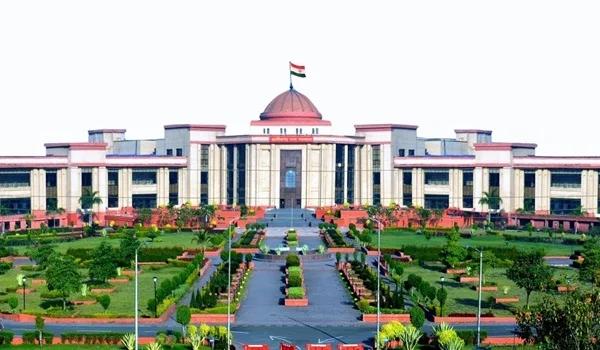
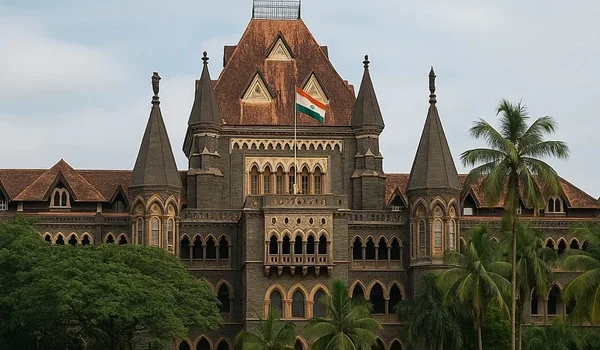
The Bombay High Court is one of India’s oldest and most respected High Courts. It plays a significant role in the country’s judicial system by hearing civil, criminal, constitutional, commercial, and public interest matters. Every day, thousands of litigants, advocates, law students, and visitors access the court for legal proceedings, case updates, and administrative services.
Established during the British era, the Bombay High Court has developed into a modern judicial institution that combines historic heritage with digital services such as online case status, e-filing, virtual hearings, and electronic cause lists. Whether you are filing a writ petition, checking a pending case, attending a hearing, or simply learning about the court, understanding its functioning can make the process much easier.
This guide explains everything you need to know about the Bombay High Court, including its jurisdiction, benches, address, timings, online services, facilities, and frequently asked questions.
Jurisdiction of Bombay High Court
The Bombay High Court exercises jurisdiction over the states of Maharashtra and Goa, along with the Union Territories of Dadra & Nagar Haveli and Daman & Diu.
Its jurisdiction covers a wide range of legal matters, including:
- Civil disputes
- Criminal appeals
- Constitutional matters
- Public Interest Litigations (PILs)
- Commercial disputes
- Company law matters
- Arbitration cases
- Family-related appeals
- Taxation matters
- Election petitions
- Environmental and administrative law cases
The court also supervises subordinate courts functioning within its territorial jurisdiction to ensure the proper administration of justice.
Principal Seat and Benches
The Bombay High Court functions through its Principal Seat and permanent benches to make justice accessible across different regions.
Principal Seat – Mumbai
The principal seat is located in Mumbai and hears the majority of important constitutional, commercial, criminal, and civil matters.
Nagpur Bench
The Nagpur Bench serves the Vidarbha region of Maharashtra and hears cases arising from district courts located in eastern Maharashtra.
Aurangabad Bench
The Aurangabad Bench primarily handles cases from the Marathwada region and provides easier access to justice for litigants residing in central Maharashtra.
Goa Bench (Panaji)
Located at Panaji, the Goa Bench deals with matters arising from the State of Goa.
These benches function under the administrative control of the Bombay High Court while maintaining independent court schedules and rosters.
Address
Principal Seat (Mumbai)
Bombay High Court
Fort, Mumbai
Maharashtra – 400032
India
The court building is situated in South Mumbai near several important government offices and is easily accessible through road and rail networks.
Contact Details
General contact information includes:
- Court Reception
- Registrar General Office
- Public Information Officer
- Filing Counters
- Inquiry Counters
Most updated contact numbers, departmental email addresses, and official notifications are available on the Bombay High Court’s official website.
Before visiting, it is advisable to verify office timings and department-specific contact information.
Court Timings
The Bombay High Court generally follows the schedule below:
| Activity | Timing |
| Office Opening | Around 10:00 AM |
| Court Proceedings | Generally begin around 11:00 AM |
| Lunch Break | Usually around 1:00 PM to 2:00 PM |
| Court Closing | Approximately 5:00 PM |
Actual hearing schedules may vary depending on the bench, roster, and judicial orders.
Working Days
The Bombay High Court generally functions on:
- Monday
- Tuesday
- Wednesday
- Thursday
- Friday
The court remains closed on:
- Saturdays
- Sundays
- National Holidays
- State Government Holidays
- Court-declared vacations
Urgent matters may still be heard during vacations through designated Vacation Benches.
Important Departments
The Bombay High Court has several administrative and judicial departments that ensure efficient functioning.
Filing Department
Accepts fresh petitions, appeals, applications, affidavits, and supporting documents.
Judicial Sections
Maintain case records according to subject categories and benches.
Copying Department
Issues certified copies of judgments, orders, and court documents.
Record Room
Maintains judicial records and archived files.
Registry
Handles scrutiny, numbering, listing, and administrative processing of cases.
Information Counter
Guides litigants regarding courtrooms, filing procedures, and case listings.
Public Information Office (RTI)
Processes applications submitted under the Right to Information Act.
Services Offered
The Bombay High Court provides numerous judicial and administrative services.
These include:
- Filing civil cases
- Criminal appeals
- Writ petitions
- Public Interest Litigations
- Commercial litigation
- Arbitration matters
- Family law appeals
- Company petitions
- Tax appeals
- Certified copies
- Case listing
- Court record inspection
- Legal notices
- Court fee verification
Advocates, government departments, businesses, and individual litigants regularly use these services.
Online Services
The Bombay High Court has introduced several digital facilities that reduce paperwork and improve accessibility.
Available online services include:
- Online case search
- Daily cause list
- e-Filing
- Court orders
- Judgments
- Case status tracking
- Display board
- Virtual hearing links
- Advocate services
- Online notices
- Recruitment notifications
- Tender information
These digital services allow litigants and lawyers to obtain important information without physically visiting the court.
Case Status
Checking Bombay High Court Case Status is simple and can be done online.
Users can search cases using:
- Case Number
- Filing Number
- Party Name
- Advocate Name
- CNR Number
- Case Type
- Registration Number
The case status page generally provides:
- Current hearing stage
- Next hearing date
- Court number
- Judge name
- Previous orders
- Final judgments (where applicable)
This feature is especially useful for advocates and litigants tracking ongoing proceedings.
Cause List
The Bombay High Court Cause List contains the daily schedule of cases listed before each judge or division bench.
The cause list generally includes:
- Court Hall Number
- Bench Details
- Judge Name
- Serial Number
- Case Number
- Party Names
- Advocate Names
- Hearing Category
The cause list is updated regularly before court proceedings begin and should always be checked for any last-minute changes.
e-Filing
The Bombay High Court has adopted e-Filing to simplify the filing process for eligible matters.
Through the online filing system, users can:
- Submit fresh petitions
- Upload supporting documents
- File applications
- Submit affidavits
- Track filing status
- Receive scrutiny remarks
- Correct filing defects
- Monitor case progress
Advocates registered on the portal can complete much of the filing process electronically, reducing waiting time and improving efficiency.
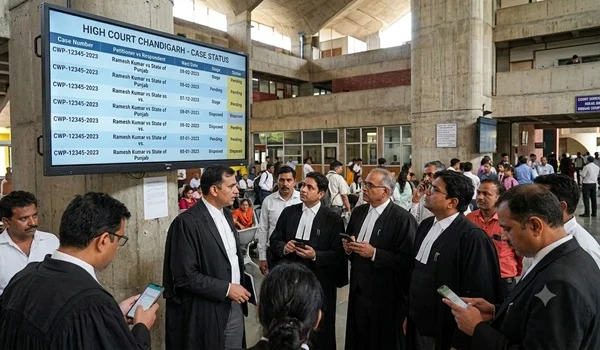
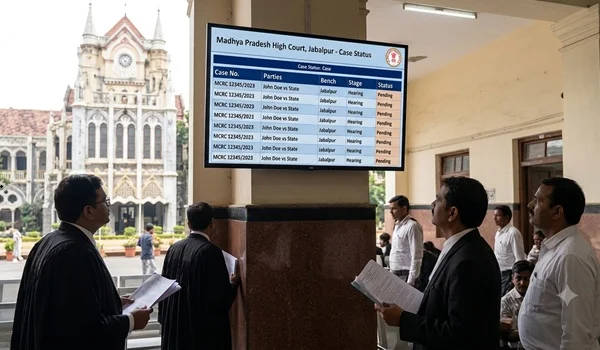
Display Board
Electronic display boards installed inside the court premises help visitors locate ongoing proceedings.
They generally display:
- Court Hall Number
- Judge Name
- Current Case
- Next Case
- Stage of Hearing
- Court Status
These boards help advocates and litigants reach the correct courtroom without confusion.
How to Reach the Court
The Bombay High Court is located in the historic Fort area of South Mumbai.
By Local Train
The nearest railway stations include:
- Churchgate
- Chhatrapati Shivaji Maharaj Terminus (CSMT)
Both stations are within a short distance of the court.
By Metro
Mumbai Metro connectivity continues to improve access to South Mumbai. Depending on your route, you may need to combine metro travel with a taxi or local bus.
By Bus
BEST buses operate regularly from different parts of Mumbai to the Fort area.
By Taxi or Cab
App-based taxis and traditional cabs are widely available throughout Mumbai.
By Air
The nearest airport is:
Chhatrapati Shivaji Maharaj International Airport, approximately 25–30 km from the principal court building.
Facilities Available
The Bombay High Court provides several facilities for litigants, lawyers, staff, and visitors.
These include:
- Waiting areas
- Drinking water
- Washrooms
- Advocate chambers
- Bar Association facilities
- Filing counters
- Information desks
- Certified copy section
- Record room
- Electronic display boards
- Security screening
- Wheelchair accessibility in many areas
- Parking (subject to availability and applicable rules)
- Nearby food outlets and cafés
- Photocopy and document preparation services outside the court premises
Visitors should carry valid identification and allow extra time for security checks before entering the court complex.
Frequently Asked Questions (FAQs)
What is the jurisdiction of the Bombay High Court?
The Bombay High Court has jurisdiction over Maharashtra, Goa, Dadra & Nagar Haveli, and Daman & Diu.
Where is the Bombay High Court located?
The Principal Seat is located at Fort, Mumbai, Maharashtra.
Can I check my case status online?
Yes. Case status can be searched online using the case number, filing number, advocate name, party name, or CNR number.
Is e-Filing available?
Yes. The court provides an online e-Filing system for eligible cases and registered advocates.
Where can I view the daily cause list?
The daily cause list is published online before court proceedings and is also displayed within the court premises.
Are mobile phones allowed inside the court?
Visitors should follow the latest security guidelines. Mobile phone usage may be restricted in certain areas and courtrooms.
What documents should I carry while visiting the court?
Carry a valid photo ID, relevant case documents, hearing notices, and any required authorization if appearing on behalf of another person.
Can litigants appear without a lawyer?
In certain matters, individuals may appear as party-in-person, subject to applicable procedural rules and court permission where required.
Conclusion
The Bombay High Court remains one of India’s most important judicial institutions, serving millions of people across Maharashtra, Goa, and the Union Territories under its jurisdiction. With its historic legacy, experienced judiciary, and growing adoption of digital services such as online case status, cause list, e-Filing, and electronic display boards, the court has become more accessible and efficient for litigants and legal professionals alike.
Whether you are filing a petition, attending a hearing, checking the latest case updates, or seeking certified copies, understanding the court’s structure and available services can save both time and effort. Before visiting, always verify the latest court notifications, hearing schedules, and procedural requirements through the official Bombay High Court portal to ensure a smooth experience.