The Supreme Court of India is the highest judicial authority in the country and serves as the guardian of the Constitution. Established on 26 January 1950, it has the final authority to interpret the Constitution, protect Fundamental Rights, resolve disputes between governments, and hear appeals from High Courts across India.
Located in New Delhi, the Supreme Court plays a crucial role in maintaining the rule of law and ensuring justice for citizens. Every year, it hears thousands of civil, criminal, constitutional, and public interest cases.
This comprehensive guide covers everything you need to know about the Supreme Court of India, including its history, jurisdiction, composition, important functions, case filing process, e-Filing, cause list, visitor information, and frequently asked questions.
Quick Information
| Topic | Details |
| Court Name | Supreme Court of India |
| Established | 26 January 1950 |
| Location | New Delhi |
| Court Type | Apex Court |
| Jurisdiction | Entire India |
| Constitutional Basis | Part V, Chapter IV of the Constitution of India |
| Official Language | English |
| Current Chief Justice | As per latest official appointment |
| Last Updated | 2026 |
About the Supreme Court of India
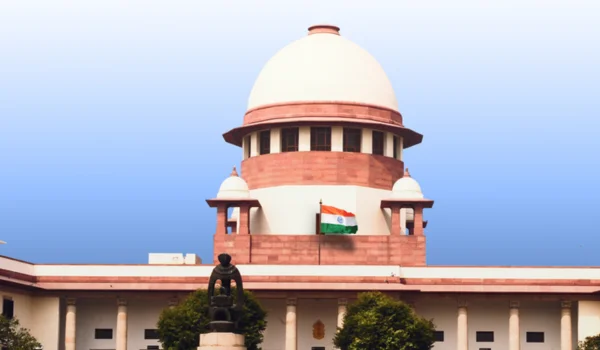
The Supreme Court of India replaced the Federal Court of India after the Constitution came into effect on 26 January 1950. As the country’s apex court, it is responsible for interpreting laws, safeguarding constitutional values, and ensuring uniformity in the administration of justice.
Its judgments are binding on all courts in India, making it the final authority on questions of law.
History of the Supreme Court
- Established on 26 January 1950
- Succeeded the Federal Court of India
- Initially functioned from the Parliament House complex
- Later shifted to its present premises in New Delhi
- Continues to serve as the highest constitutional court of the country
Over the decades, the Supreme Court has delivered several landmark judgments that have shaped Indian constitutional law and governance.
Location of the Supreme Court
| Details | Information |
| City | New Delhi |
| State / UT | Delhi |
| Court Level | National |
| Jurisdiction | Entire India |
Constitutional Position
The Supreme Court derives its authority from the Constitution of India.
Its constitutional responsibilities include:
- Protecting Fundamental Rights
- Interpreting the Constitution
- Reviewing laws and government actions
- Resolving disputes between constitutional authorities
- Hearing appeals from High Courts
Composition of the Supreme Court
The Supreme Court consists of:
- The Chief Justice of India (CJI)
- Other Judges appointed in accordance with the Constitution
The sanctioned strength of judges may change over time through legislation.
Jurisdiction of the Supreme Court
The Supreme Court exercises several types of jurisdiction.
Original Jurisdiction
The Court hears certain disputes directly, including matters between:
- Union Government and States
- Two or more States
- Constitutional authorities in specified cases
Appellate Jurisdiction
The Court hears appeals from High Courts in:
- Civil Cases
- Criminal Cases
- Constitutional Matters
- Other cases permitted under law
Writ Jurisdiction
Citizens may approach the Supreme Court for the enforcement of Fundamental Rights under Article 32 of the Constitution.
The Court can issue constitutional writs such as:
- Habeas Corpus
- Mandamus
- Certiorari
- Prohibition
- Quo Warranto
Advisory Jurisdiction
The President of India may seek the Supreme Court’s opinion on important legal or constitutional questions under Article 143.
Review Jurisdiction
The Court may review its own judgments in limited circumstances as provided by law.
Powers and Functions
The Supreme Court performs several important functions.
Constitutional Interpretation
Interprets provisions of the Constitution whenever disputes arise.
Protection of Fundamental Rights
Ensures citizens’ constitutional rights are protected.
Judicial Review
Examines whether laws and executive actions comply with the Constitution.
Hearing Appeals
Acts as the highest appellate court for civil, criminal, and constitutional matters.
Public Interest Litigation (PIL)
Hears PILs involving issues affecting the public at large.
Election Matters
Decides certain election-related disputes assigned by law.
Types of Cases Heard
The Supreme Court hears a wide variety of cases, including:
- Constitutional Cases
- Civil Appeals
- Criminal Appeals
- Public Interest Litigations (PILs)
- Election Matters
- Tax Cases
- Commercial Disputes
- Environmental Matters
- Human Rights Cases
- Arbitration Appeals
- Special Leave Petitions (SLPs)
Bench System
Cases are heard by benches of different strengths depending on the nature and importance of the matter.
These may include:
- Single benches (where legally permissible in administrative contexts)
- Division Benches
- Three-Judge Benches
- Constitution Benches (five or more judges)
Constitution Benches hear significant questions involving constitutional interpretation.
Supreme Court Case Filing Process
The general process includes:
- Preparation of the petition or appeal.
- Filing through the prescribed procedure.
- Scrutiny by the Registry.
- Removal of defects, if any.
- Registration of the case.
- Listing before the appropriate bench.
- Hearing.
- Judgment or order.
Specific procedures vary depending on the nature of the case.
e-Filing Services
The Supreme Court offers various digital services to simplify court procedures.
Common online services include:
- e-Filing of Cases
- Case Status Search
- Cause List
- Daily Orders
- Judgments
- Caveat Search
- Filing Status
- Defect Status
- Case Diary
Availability and eligibility depend on applicable rules.
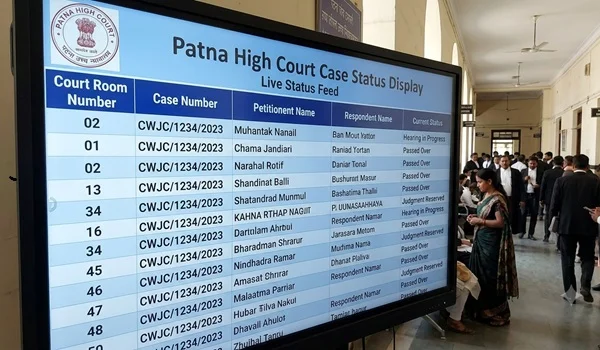
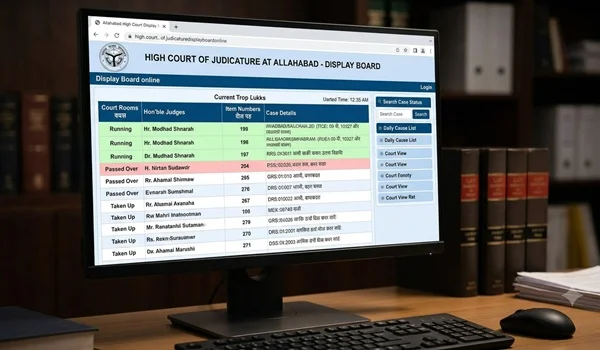
Cause List
The Cause List contains the cases scheduled for hearing on a particular day.
It generally includes:
- Court Number
- Bench Composition
- Case Number
- Party Names
- Item Number
- Hearing Date
Checking the cause list before visiting the court helps litigants and advocates know when and where their matter is listed.
Case Status
You can generally track a case using:
- Diary Number
- Case Number
- Party Name
- Advocate Name
- Filing Year
Online case status services provide updates on hearing dates, orders, and case progress.
Judgments & Orders
The Supreme Court publishes many of its judgments and orders through official channels.
These documents help litigants, lawyers, researchers, students, and the public understand legal developments and judicial decisions.
Visitor Information
Visitors should keep the following in mind:
- Carry valid identification if required.
- Follow court security procedures.
- Arrive before the scheduled hearing time.
- Mobile phone usage may be restricted in certain areas.
- Photography and videography are generally prohibited unless specifically permitted.
- Follow all instructions issued by court staff and security personnel.
Important Documents for Court Visits
Depending on your purpose, you may need:
- Case Number
- Identity Proof
- Hearing Notice
- Advocate Details
- Relevant Court Documents
Requirements may vary depending on the nature of your visit.
Common Legal Terms
| Term | Meaning |
| Appeal | Request for review of a lower court’s decision |
| Petitioner | Person filing a petition |
| Respondent | Person responding to the petition |
| Bench | Judge or panel of judges hearing a case |
| Cause List | Daily schedule of listed cases |
| Judgment | Final decision of the Court |
| Order | Direction issued during proceedings |
| SLP | Special Leave Petition |
Tips for Litigants
- Verify your case details before visiting.
- Check the daily cause list in advance.
- Keep all documents organized.
- Arrive early for security screening.
- Follow courtroom etiquette.
- Consult a qualified advocate for legal advice or representation.
- Stay updated through official court notifications.
Frequently Asked Questions
What is the Supreme Court of India?
The Supreme Court of India is the highest judicial authority in the country and the final court of appeal.
Where is the Supreme Court located?
It is located in New Delhi.
When was the Supreme Court established?
The Supreme Court of India was established on 26 January 1950.
What is Article 32?
Article 32 of the Constitution allows individuals to approach the Supreme Court directly for the enforcement of Fundamental Rights.
Can I file a case online?
Yes. Eligible matters can be filed through the Supreme Court’s e-Filing system in accordance with the applicable rules and procedures.
How can I check the Supreme Court cause list?
The daily cause list is made available through the Court’s official systems and can be searched before your scheduled hearing.
Are Supreme Court judgments binding?
Yes. Judgments of the Supreme Court are binding on all courts within India, subject to constitutional provisions and the Court’s own power to review its decisions.
Final Thoughts
The Supreme Court of India stands at the apex of the country’s judicial system and plays a central role in upholding the Constitution, protecting citizens’ rights, and ensuring the rule of law. Through its constitutional powers, appellate jurisdiction, and landmark judgments, it shapes the legal framework of the nation.
Whether you are a litigant, law student, researcher, advocate, or simply interested in understanding India’s judicial system, knowing how the Supreme Court functions can help you better appreciate its importance in the administration of justice. For case-specific guidance or legal advice, always consult a qualified legal professional.