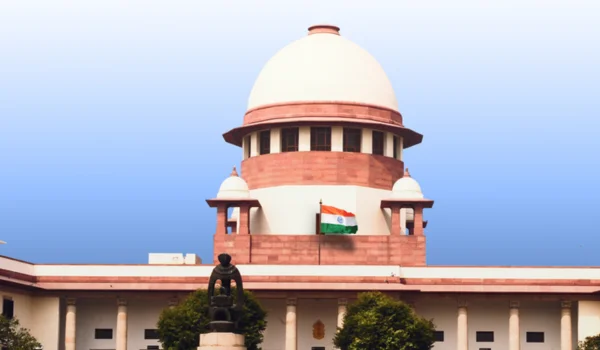
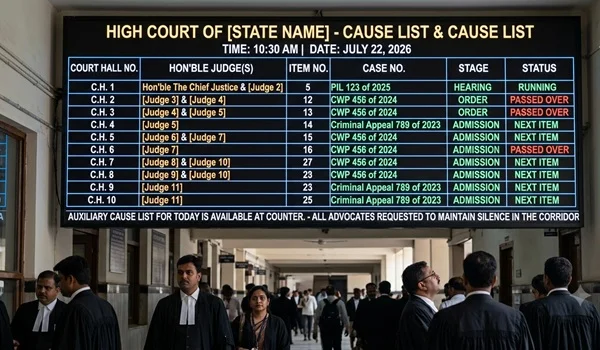
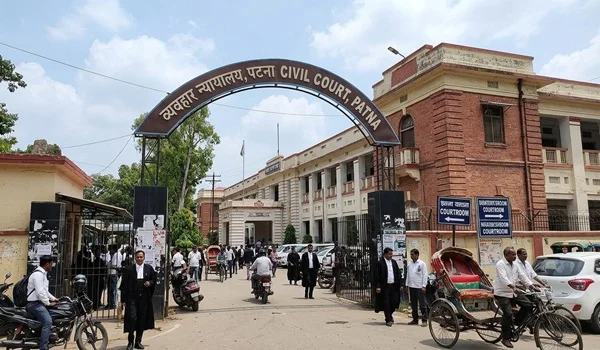
Understanding how court proceedings work can help litigants, students, and the general public navigate the Indian judicial system with greater confidence. Whether you’re involved in a civil dispute, criminal case, family matter, or commercial litigation, every case follows a legal process governed by applicable laws and court rules.
From filing a case to the final judgment—and, where permitted, an appeal—each stage has a specific purpose. Knowing what happens at each step can reduce confusion and help parties prepare for court proceedings.
This Court Procedures Guide explains the complete court process in India in simple language, covering civil and criminal cases, court hearings, evidence, judgments, appeals, and useful tips for litigants.
Quick Information
| Topic | Details |
| Guide Type | Court Procedures |
| Applicable To | Civil, Criminal, Family & Commercial Cases |
| Court Levels | District Courts, High Courts & Supreme Court |
| Covers | Filing, Hearing, Trial, Judgment & Appeal |
| Best For | Litigants, Students & General Public |
| Last Updated | 2026 |
What Are Court Procedures?
Court procedures refer to the legal steps followed by courts while hearing and deciding cases. These procedures ensure that every party receives a fair opportunity to present its case and that disputes are resolved according to the law.
Although procedures vary depending on the type of case and the court involved, the basic stages are generally similar.
Overview of the Court Process
Legal Dispute
│
Case Filing
│
Court Scrutiny
│
Case Registration
│
Notice / Summons
│
Appearance of Parties
│
Replies & Pleadings
│
Evidence
│
Witness Examination
│
Arguments
│
Judgment
│
Appeal (Where Permitted)
Step 1: Filing the Case
The legal process begins when a person files an appropriate document before the competent court.
Depending on the nature of the matter, this may be:
- Plaint
- Petition
- Complaint
- Appeal
- Application
The filing must generally include supporting documents and prescribed court fees, where applicable.
Step 2: Scrutiny by the Court Registry
After filing, the court registry examines the documents to ensure they comply with procedural requirements.
The registry checks:
- Required documents
- Court fees
- Signatures
- Jurisdiction
- Formatting requirements
If defects are found, the party may be asked to correct them before the case proceeds.
Step 3: Registration of the Case
Once the filing is accepted, the court registers the matter and assigns:
- Case Number
- Filing Date
- Court Details
- Judge or Bench (as per roster)
The case is then officially entered into the court’s records.
Step 4: Issue of Notice or Summons
The court informs the opposite party about the proceedings.
Depending on the case, this may involve:
- Notice
- Summons
- Court Direction
The opposite party is given an opportunity to appear before the court.
Step 5: Appearance of Parties
On the scheduled date, the parties (or their advocates) appear before the court.
At this stage, the court may:
- Record appearances.
- Verify service of notice.
- Fix timelines.
- Pass interim directions if necessary.
Step 6: Pleadings and Replies
Both sides submit their written versions of the case.
Typical pleadings may include:
In Civil Cases
- Plaint
- Written Statement
- Replication (where applicable)
In Other Proceedings
- Petition
- Reply
- Rejoinder (if permitted)
These documents define the issues that the court will decide.
Step 7: Framing of Issues (Civil Cases)
In civil matters, the court identifies the disputed questions that require determination.
These are called issues, and they guide the trial and evidence stage.
Step 8: Interim Applications (If Required)
Before the final decision, parties may seek temporary relief from the court.
Examples include:
- Stay Orders
- Temporary Injunctions
- Interim Maintenance
- Bail Applications
- Appointment of Commissioners
The court decides these applications separately from the final judgment.
Step 9: Evidence Stage
Both parties present evidence to support their claims.
Evidence may include:
- Documents
- Photographs
- Electronic Records
- Expert Reports
- Physical Objects
- Witness Testimony
Only admissible evidence is considered by the court.
Step 10: Examination of Witnesses
Witnesses may be examined in court.
The process generally includes:
- Examination-in-Chief
- Cross-Examination
- Re-Examination (where required)
This helps the court assess the credibility and relevance of the evidence.
Step 11: Final Arguments
After the evidence is completed, both parties present their legal arguments.
Advocates explain:
- Relevant facts
- Applicable laws
- Judicial precedents
- Relief sought
The court considers these submissions before delivering its decision.
Step 12: Judgment
The court delivers its judgment after considering:
- Facts
- Evidence
- Applicable Law
- Legal Arguments
The judgment explains the court’s reasoning and final decision.
Step 13: Decree or Final Order
Depending on the nature of the case, the court may issue:
- Judgment
- Decree
- Final Order
- Sentence (in criminal cases)
These documents formally conclude the proceedings before that court.
Step 14: Appeal (If Permitted)
A party dissatisfied with the decision may have the right to file an appeal before a higher court, subject to the applicable law and limitation period.
Examples include:
- District Court → High Court
- High Court → Supreme Court
Not every order is appealable, and legal advice should be obtained before filing an appeal.
Court Procedures in Civil Cases
A typical civil case may involve:
- Filing of Plaint
- Registration
- Summons
- Written Statement
- Framing of Issues
- Evidence
- Witness Examination
- Arguments
- Judgment
- Decree
- Appeal (if applicable)
Court Procedures in Criminal Cases
A criminal case generally follows these stages:
- FIR or Complaint (where applicable)
- Investigation
- Charge Sheet / Final Report
- Cognizance by Court
- Appearance of Accused
- Framing of Charges (where applicable)
- Trial
- Evidence
- Examination of Witnesses
- Arguments
- Judgment
- Conviction or Acquittal
- Sentence (if convicted)
- Appeal
The exact process depends on the offence and applicable criminal laws.
Alternative Dispute Resolution (ADR)
Not every dispute needs to go through a full court trial.
Alternative dispute resolution methods include:
- Mediation
- Arbitration
- Conciliation
- Lok Adalat
These methods can help resolve disputes more quickly in appropriate cases.
Common Court Documents
During court proceedings, parties may encounter:
| Document | Purpose |
| Plaint | Starts a civil suit |
| Petition | Seeks legal relief |
| Written Statement | Defendant’s reply |
| Affidavit | Statement made under oath |
| Vakalatnama | Authorizes an advocate |
| Summons | Directs appearance before the court |
| Notice | Official communication |
| Judgment | Final decision |
| Decree | Formal civil decision |
| Order | Direction issued during proceedings |
Tips Before Attending Court
- Arrive before the scheduled hearing time.
- Carry all required documents.
- Keep your case number handy.
- Dress appropriately and maintain courtroom decorum.
- Listen carefully to court directions.
- Follow instructions from court staff.
- Stay in touch with your advocate regarding hearing dates.
- Do not rely solely on unofficial sources for legal information.
Frequently Asked Questions
How does a court case begin?
A court case usually begins with the filing of a plaint, petition, complaint, appeal, or other appropriate legal document before the competent court.
What happens after filing a case?
The court registry scrutinizes the filing, registers the case if it meets procedural requirements, and issues notice or summons to the opposite party where required.
What is the purpose of evidence?
Evidence helps the court determine the facts of the case and decide the dispute according to law.
Can a court decision be appealed?
Yes. Depending on the applicable law, certain judgments and orders may be challenged before a higher court.
How long does a court case take?
The duration varies depending on factors such as the type of case, complexity, evidence, court workload, and applicable legal procedures.
Final Thoughts
Court procedures are designed to ensure fairness, transparency, and equal opportunity for all parties involved in a legal dispute. While the exact process differs between civil, criminal, family, and commercial matters, understanding the basic stages—from filing and registration to evidence, judgment, and appeal—can make the judicial process much easier to follow.
Whether you’re preparing for your first court visit, studying law, or simply looking to understand how the Indian judicial system works, knowing these procedures will help you navigate court proceedings with greater clarity. For advice on a specific legal issue or case, always consult a qualified legal professional.