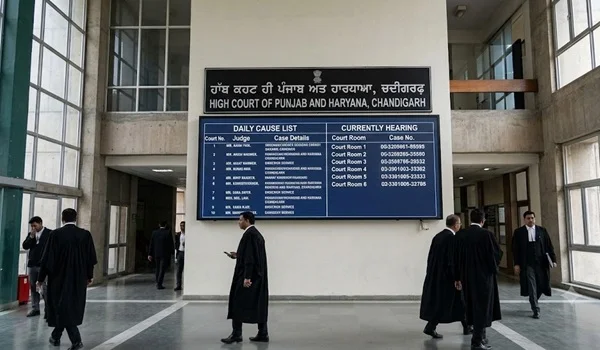
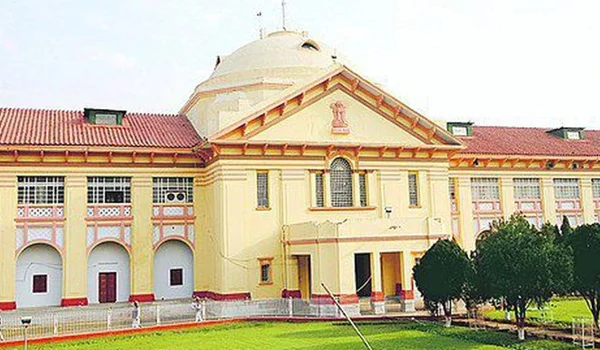
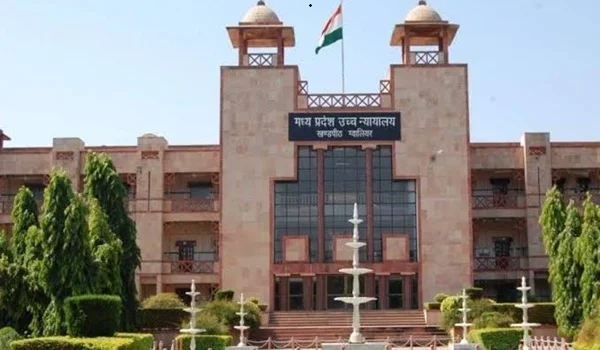
District Courts are the backbone of the Indian judicial system and serve as the primary courts where most civil and criminal cases begin. Present in almost every district across the country, these courts provide citizens with accessible and efficient justice at the local level.
District Courts hear a wide range of matters, including property disputes, criminal offences, family disputes, motor accident claims, commercial cases, and appeals from subordinate courts. They function under the administrative supervision of their respective High Courts while exercising judicial powers within their district.
This guide explains everything you need to know about District Courts in India, including their structure, jurisdiction, types of courts, case filing process, online services, and frequently asked questions.
Quick Information
| Topic | Details |
| Court Level | District Judiciary |
| Located In | Every District of India |
| Supervised By | Respective High Court |
| Types of Cases | Civil, Criminal, Family, Commercial & Other Matters |
| Head of District Judiciary | District & Sessions Judge |
| Online Services | eCourts Portal & State Court Websites |
| Last Updated | 2026 |
What Is a District Court?
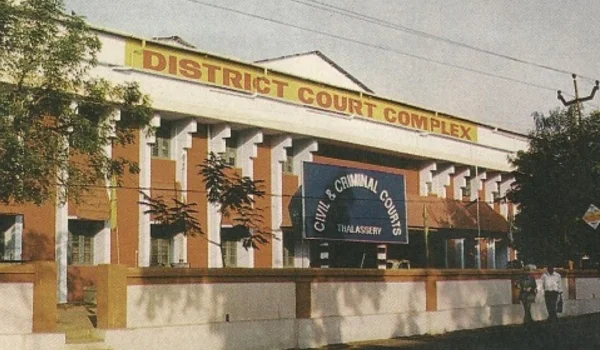
A District Court is the highest court at the district level. It handles both civil and criminal matters within its territorial jurisdiction and serves as the main judicial institution for people seeking legal remedies in their district.
Every district generally has a District & Sessions Court, which functions as:
- A District Court for civil matters.
- A Sessions Court for serious criminal cases.
The same judicial officer may perform both roles depending on the type of case.
Role of District Courts
District Courts play an essential role in delivering justice by:
- Hearing civil and criminal cases.
- Conducting trials.
- Deciding appeals from subordinate courts.
- Supervising lower courts within the district.
- Protecting legal and constitutional rights under applicable laws.
- Ensuring fair and timely administration of justice.
Structure of District Judiciary
The district judiciary consists of multiple courts working under the supervision of the District & Sessions Judge.
High Court
│
District & Sessions Court
│
Additional District Courts
│
Civil Courts / Criminal Courts
│
Judicial Magistrate Courts
│
Other Special Courts
The exact structure may vary slightly from one state to another.
Types of Courts Under District Judiciary
District & Sessions Court
This is the principal court of the district.
It hears:
- Major civil disputes.
- Serious criminal offences.
- Appeals from lower courts.
- Sessions trials.
Civil Courts
Civil Courts deal with disputes relating to:
- Property
- Contracts
- Recovery of Money
- Injunctions
- Land Disputes
- Partition Suits
- Specific Performance
Criminal Courts
Criminal Courts hear cases involving:
- Theft
- Assault
- Cheating
- Robbery
- Cybercrime
- Fraud
- Other offences under criminal laws
Family Courts
Family Courts generally deal with:
- Divorce
- Child Custody
- Maintenance
- Adoption
- Guardianship
- Matrimonial Disputes
Commercial Courts
Commercial Courts hear specified commercial disputes involving businesses and commercial transactions, subject to the applicable legal framework.
Special Courts
Many districts also have special courts such as:
- POCSO Courts
- NDPS Courts
- CBI Courts
- Fast Track Courts
- Motor Accident Claims Tribunals (MACT)
- Labour Courts (where applicable)
- Special Judge Courts under various statutes
Jurisdiction of District Courts
District Courts exercise different kinds of jurisdiction.
Civil Jurisdiction
Deals with civil disputes between individuals, businesses, or organizations.
Criminal Jurisdiction
Deals with offences punishable under criminal law.
Territorial Jurisdiction
A District Court generally hears matters arising within the geographical limits of its district.
Appellate Jurisdiction
District Courts hear appeals from certain subordinate courts as permitted under law.
Types of Cases Heard
District Courts handle a wide variety of matters, including:
- Civil Suits
- Criminal Trials
- Property Disputes
- Land Matters
- Recovery Cases
- Family Disputes
- Motor Accident Claims
- Consumer Matters (through separate forums where applicable)
- Commercial Cases
- Succession Matters
- Probate Proceedings
- Guardianship Cases
District Court Case Filing Process
The general process includes:
- Preparation of the plaint, petition, complaint, or application.
- Filing before the appropriate court.
- Scrutiny by the court registry.
- Registration of the case.
- Issue of summons or notice.
- Appearance of parties.
- Filing of replies and evidence.
- Examination of witnesses, where required.
- Final arguments.
- Judgment or order.
- Appeal, where permitted by law.
The procedure depends on the nature of the case and the applicable procedural law.
Online Services Available
Most District Courts are connected through the eCourts system and provide various digital services.
Common online services include:
- Case Status Search
- CNR Number Search
- Case Number Search
- Party Name Search
- Advocate Name Search
- Cause List
- Daily Orders
- Judgments
- Court Calendar
- Next Hearing Date
- Filing Status
- Certified Copy Status
Availability of services may differ between courts.
Documents Commonly Required
Depending on the type of case, parties may need:
- Identity Proof
- Address Proof
- Petition or Plaint
- Affidavit
- Supporting Documents
- Evidence
- Court Fee (where applicable)
- Vakalatnama (if represented by an advocate)
Additional documents may be required based on the nature of the proceedings.
Court Timings
Court working hours are determined by the respective High Court and state judiciary.
Generally, District Courts function on working days notified by the concerned High Court.
Visitors should verify the latest timings and court holidays before visiting.
Facilities Available at District Courts
Most District Court complexes provide:
| Facility | Availability |
| Filing Counter | Yes |
| Information Desk | Usually Available |
| Waiting Area | Yes |
| Advocate Chambers | Yes |
| Washrooms | Yes |
| Drinking Water | Yes |
| Parking | Available at many court complexes |
| Photocopy Services | Usually Available Nearby |
| Cafeteria | Available at many larger court complexes |
| Accessibility Features | Available at many courts |
Facilities vary depending on the size and infrastructure of the court complex.
Difference Between District Court and High Court
| Feature | District Court | High Court |
| Level | District | State / Union Territory |
| Supervised By | High Court | Supreme Court (Judicial Hierarchy) |
| Jurisdiction | District | State / UT |
| Appeals | From Subordinate Courts | From District Courts |
| Constitutional Writs | No | Yes (Article 226) |
How to Find Your District Court
You can identify the appropriate District Court based on:
- Your district of residence.
- The place where the dispute arose.
- Applicable territorial jurisdiction under law.
Most states have one principal District Court for each district.
Future Individual District Court Guides
Each District Court can have its own detailed guide, including:
- Court Address
- Contact Details
- Court Timings
- Judges
- Cause List
- Case Status
- e-Filing (where available)
- Nearby Parking
- Public Transport
- Visitor Information
- FAQs
This creates an excellent internal linking structure for users looking for specific courts.
Frequently Asked Questions
What is a District Court?
A District Court is the principal court at the district level that hears civil, criminal, and other legal matters within its jurisdiction.
Who heads a District Court?
A District Court is generally headed by the District & Sessions Judge.
What types of cases are heard in District Courts?
District Courts hear civil disputes, criminal cases, family matters, commercial disputes, motor accident claims, succession matters, and many other types of cases.
Can I check my District Court case online?
Yes. Most District Courts provide online case status, cause list, judgments, and hearing information through the eCourts system.
Can a District Court judgment be appealed?
Yes. Depending on the nature of the case and applicable law, judgments may be appealed before the appropriate High Court or other competent appellate forum.
Final Thoughts
District Courts are the foundation of India’s judicial system, handling the majority of legal disputes at the local level. They provide citizens with accessible justice across civil, criminal, family, commercial, and other matters while functioning under the supervision of their respective High Courts.
Whether you’re a litigant, student, researcher, or simply trying to understand how the Indian court system works, this guide offers a clear overview of District Courts in India. As your website expands, creating dedicated pages for individual District Courts can provide users with practical information such as addresses, court timings, cause lists, case status, eCourts services, and visitor guidance.